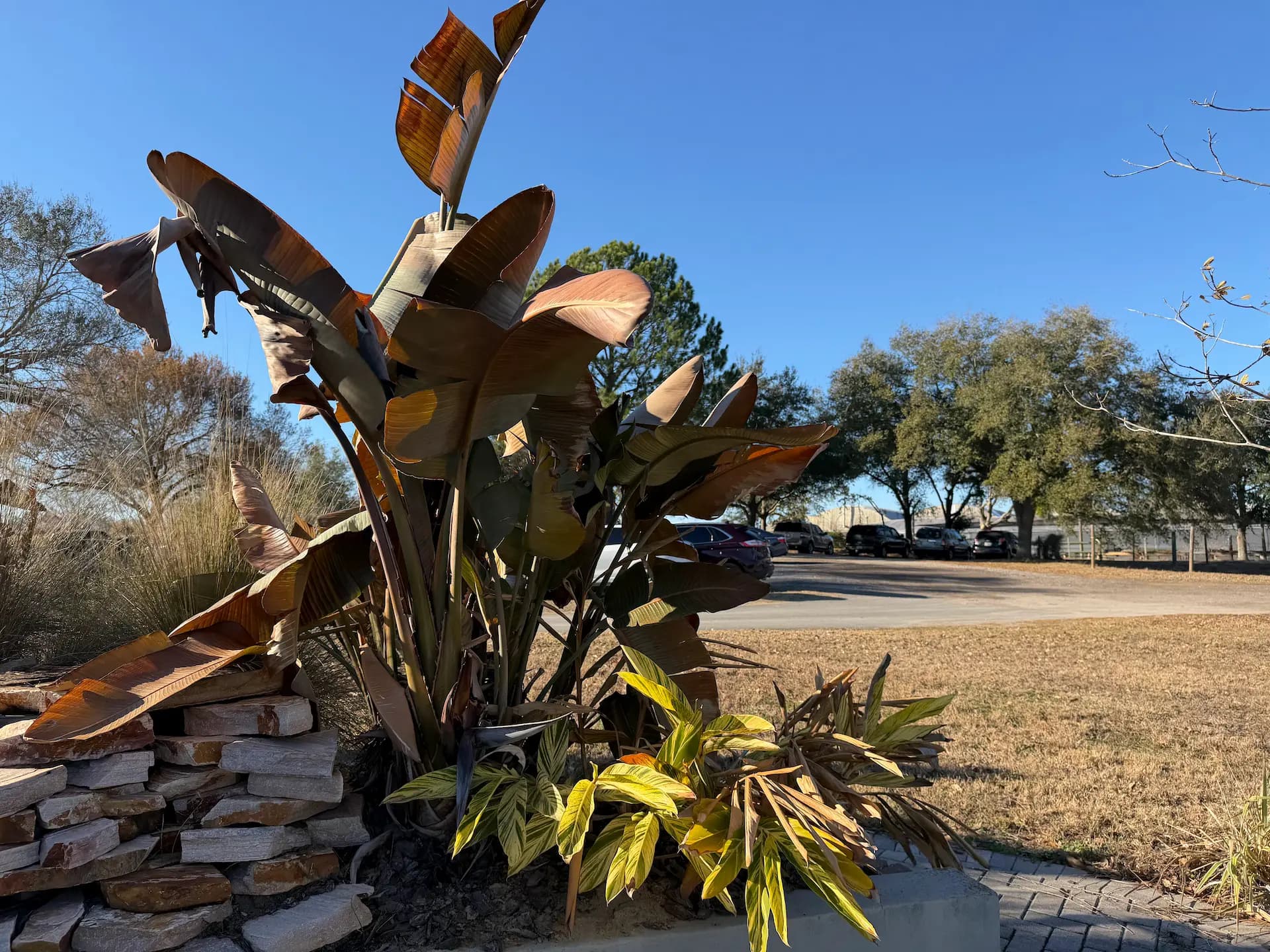
After Florida’s Freeze: What Happens Next (and When Buyers Actually Start Ordering)
Florida pulled the cold card this season, and a lot of landscapes answered with a quiet “I’m done.” 😅
You’ve seen it: burned tips, browning, yellowing, and plants that used to “always make it” suddenly looking rough. Homeowners aren’t thinking about supply and demand. They’re thinking:
“My yard looks awful. What do I do, and when can I fix it?”
That “when” is the key. Because replacement doesn’t show up as one big moment. It follows a pretty predictable sequence.
Step 1: First, evaluate plant condition (not shopping yet)
Most homeowners don’t replace plants the same day they notice freeze damage. The first step is to evaluate plant condition and make a simple recovery plan.
The first move is usually to:
- Inspect plants one by one for signs of recovery
- Evaluate which plants can still be saved (salvageable) and which are beyond recovery
- Decide what to trim and what to leave and monitor
- Remove only what is truly dead
Then they reset beds and containers, look at the open spaces, and decide whether to:
- Replant tropicals again (when it feels safe)
- Choose tougher landscape options
- Refresh containers and patio pots
- Do a mix of all three
That evaluation period is what sets the timing for buying.
Step 2: Then comes “I need it to look better, fast”
This is when landscapers start getting flooded with requests, and the language shifts quickly:
- “What can we plant right now?”
- “What’s available?”
- “What’s a good substitute for this?”
- “I need this installed this month.”
Demand usually starts as practical (fill gaps, restore fullness), then becomes more aesthetic (bring back the tropical feel) once temperatures are steadier.
A simple replacement timeline (Central Florida)
These timeframes aren’t perfect science. They’re simply what tends to happen in real life when people rebuild landscapes after a cold hit.
Late March to mid April: “replace what I can, now”This is the “make it presentable again” period. Buyers lean toward:
- Dependable, landscape ready items
- Quick visual recovery (fullness and structure)
- Things landscapers can install with confidence
This is when tropical impact tends to return to the shopping list, especially for homeowners who want that bold foliage vibe but waited for safer planting weather.
Late March into summer: “containers and patio refresh”Pots at the entry and patio get attention early and often. They’re visible, quick to improve, and homeowners love the instant win.
What homeowners actually buy (and what that means for your assortment)
They’re not buying “a variety.” They’re buying a before and after.
Most replacement lists are built around:
- Foliage color (deep greens, variegation, reds)
- Texture (fine vs. bold leaves)
- Height and fullness (how fast it fills a space)
- A simple install order (what gets planted first vs. later)
Once the landscape plan is set, the buyer question becomes very simple:
“What do you have that fits this job, and when can it ship?”That’s where clarity beats hype every time.
A quick grower checklist
1) Sort what you have into “when it can help”- Ready now (fits the late March to mid April need)
- Ready in a few weeks (fits the mid and late April push)
- Steady summer flow (fits containers and ongoing refresh)
Even if inventory is moving fast, this gives your sales team a clean way to guide conversations.
2) Ask customers these 6 questions (this week)- What’s getting hit hardest in your market?
- Are they replacing immediately, or waiting?
- Are they asking for tougher picks, or the same tropical look?
- What pot sizes are moving first?
- What’s your biggest shortage right now?
- What substitutions are acceptable?
Those answers will tell you where to focus production and how to message availability.
3) If you took damage: triage firstNo fancy language, just decisions:
- What’s salvageable vs. not
- What gaps you now have by size and variety
- What you can replant quickly to get back into the market
The Foremost perspective
Cold events don’t just hit plants. They hit schedules, labor, customer expectations, and everyone’s stress level.
Our approach is simple: stay close to what’s happening, share what we’re seeing, and help customers plan the next move without adding noise.
When you’re ready to talk specifics, your Foremost sales rep is the best point of contact to review availability, comparable options, pricing, and shipping windows.
Foremost. Where Growth Begins.